


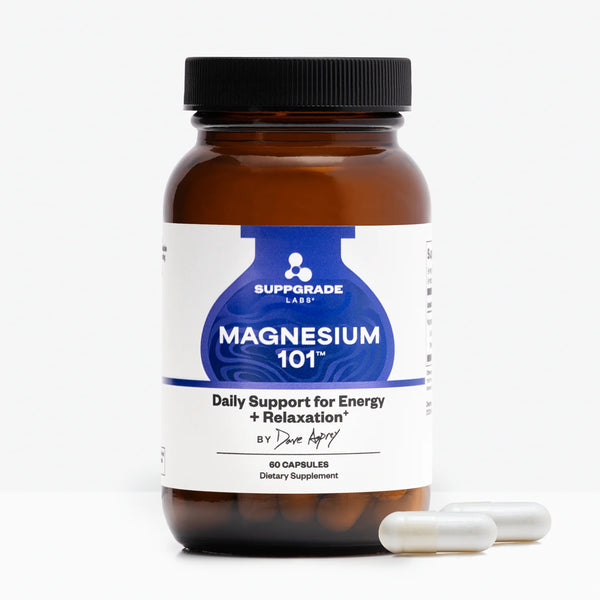

Mental Health Awareness Month is a time to highlight ways to protect and improve emotional well-being. While conversations often focus on therapy, sleep, and habits, one critical piece often gets left out: the nutrients that keep the brain and nervous system balanced. The mineral magnesium is especially important, as it quietly supports the nervous system, stress regulation, and mood every day.
What Magnesium Does In Theory
Magnesium is a foundational mineral involved in more than 300 biological reactions that keep the body humming: It supports nerve signaling, helps regulate electrical activity in neurons, and contributes to energy production and muscle relaxation. Those basic roles matter for mental health because a stable nervous system is the platform for a calm, focused, and resilient brain. Yet nearly half of Americans don’t meet the recommended intake for magnesium (source), and the symptoms of low magnesium can be disruptive.
What Low Magnesium Feels Like
Magnesium deficiency often shows up as subtle but persistent issues, especially related to mood and stress. Common signs include:
- Increased anxiety or a constant “on edge” feeling
- Poor stress tolerance
- Trouble sleeping or staying asleep
- Low mood or lack of motivation
- Brain fog or difficulty focusing
- Muscle tension or tightness
Why Most People are Deficient in Magnesium
- Soil depletion has significantly reduced the mineral content of foods.
- Modern diets are high in refined grains and processed foods, which are low in magnesium.
- Stress increases magnesium loss, which can create a self-fulfilling cycle where stress depletes magnesium and low magnesium increases stress sensitivity (source).
- Caffeine, alcohol, and intense exercise also increase magnesium loss.
Magnesium's Connection to Mental Health and Stress
Studies have found that people with lower magnesium levels report more symptoms of anxiety and depression (source). On the flip side, higher magnesium intake has been associated with reduced stress and improved mood for some individuals (source).
This makes sense when you look at how magnesium works in the body. Magnesium helps the brain make and use calming neurotransmitters such as GABA, and helps regulate the systems that release stress hormones like cortisol. When the body doesn’t have enough magnesium, those systems don’t have the raw materials they need to work as well, so stress responses can become stronger and make recovery slower.
The Vagus Nerve Connection
You may have heard of the vagus nerve and its role in the nervous system. It’s a major communication pathway between your brain and body, and helps your body switch from “fight or flight” to “rest and digest” mode.
When the vagus system is functioning well, heart rate and breathing stabilize, and emotional reactivity tends to drop.
Magnesium supports the same physiological processes that help the vagus nerve do its job, supporting calming neurotransmitters and keeping nerve cells from getting overexcited. More research still needs to be done on the exact link between magnesium and the vagus nerve, but existing research supports magnesium’s role in reducing stress reactivity and promoting a calm balance.
How to Improve Mood Naturally
- Regulate GABA, a calming neurotransmitter that quiets brain activity
- Reduce excess stimulation in the nervous system
- Support deeper, more restorative sleep
- Stabilize mood and emotional response
WHY MAGNESIUM 101
Magnesium 101 was built to help fill a common nutrient gap with a simple, highly bioavailable formula that your body can actually absorb and use. It delivers an effective daily dose designed to replenish what modern diets often leave out, supporting stress reduction, better sleep, and a more resilient nervous system.
Mental Wellness from the Ground Up
Mental Health Awareness Month is a reminder that wellness is built from the ground up. Sleep, movement, therapy, connection, and nutrition all matter, and magnesium belongs in that conversation.
Because when your biology is supported, everything else gets easier. Your mood stabilizes. Your stress response improves. Your mind becomes a place you can live in comfortably.
That’s the upgrade.