





A Practical Guide to a Healthier Heart
Heart health is often treated as something you think about only after a concerning lab result or a doctor’s visit. But a strong heart is not built in a single moment. It is built quietly, day by day, through the systems that power and protect it.
Cardiovascular support isn’t about one moment. It’s about what you do daily. Your heart moves blood, delivers oxygen, manages inflammation, and powers your body on a cellular level. These processes rely on consistent habits, not one-time fixes.
American Heart Month brings awareness. What comes after is what really matters.
Supporting your heart starts with upgrading the systems behind it. Circulation. Energy. Nutrient flow. Build routines that restore, support, and protect the organ that never stops working for you.
What Is American Heart Month?
American Heart Month is a yearly health observance led by organizations like the American Heart Association and supported by public health agencies to raise awareness about cardiovascular health. Each February, it encourages people to pay closer attention to heart disease risk and prevention.
Heart health goes beyond avoiding disease. It describes how efficiently your cardiovascular system supports circulation, energy production, and recovery throughout the body.
According to organizations like the CDC and the American Heart Association, key indicators of cardiovascular health include blood pressure, cholesterol control, blood sugar, inflammation, and lifestyle patterns. Heart disease remains the leading cause of death in the United States, which highlights an important reality.
Most heart risk accumulates slowly. And most protection comes from consistent daily choices. That makes heart health a systems issue, not a shortcut problem.
Simple Habits That Support a Healthy Heart
Daily habits shape heart health more than any single supplement or intervention. These heart health tips focus on realistic actions that become healthy heart habits over time.
Lifestyle sets the foundation first. Everything else builds on top of it.
Best Exercises for Heart Health
You don’t need extreme workouts to support your heart.
Regular movement improves circulation, supports blood pressure, and keeps the heart muscle strong. Walking, resistance training, and short bursts of effort all play a role.
Start simple:
-
Walk after meals to support blood flow
-
Add short intervals of higher effort when it feels right
-
Strength train a few times a week to maintain muscle and energy
Consistency matters more than intensity. The best habit is the one you repeat.
Heart-Healthy Foods and Anti-Inflammatory Eating
Heart support starts with reducing inflammation and keeping energy steady, not following rigid rules.
Whole, nutrient-dense food places less stress on your system than ultra‑processed options that spike blood sugar and drive inflammatory responses. When energy stays more stable, circulation improves and the heart doesn’t have to work as hard.
Here are core principles to guide your choices:
-
Choose foods that support stable energy and avoid frequent sugar spikes.
-
Cut back on ultra‑processed snacks and refined carbohydrates that elevate blood sugar and inflammatory signals.
-
Focus on high‑quality proteins and fats that provide steady fuel without taxing your metabolism.
The goal isn’t perfection. It’s choosing foods that help your body regulate energy and inflammation in ways that support circulation and overall cardiovascular function.
Stress, Sleep, and Heart Health
Your nervous system sets the tone for cardiovascular performance.
Chronic stress and poor sleep increase inflammation and can disrupt heart rhythm. Supporting recovery through intentional rest, nervous system balance, and key nutrients helps reduce that strain.
Focus on:
-
Practicing 5 minutes of slow nasal breathing to lower your heart rate
-
Setting a consistent bedtime to support heart rate variability
-
Getting sunlight in the morning to anchor your circadian rhythm
-
Including magnesium-rich foods or a highly absorbable magnesium supplement to support relaxation and sleep quality
Sleep isn’t passive. It’s one of the most powerful recovery tools your heart has.

Core Habits That Support Your Heart
|
Habit |
Why it helps your heart |
Easy way to start this week |
|
Regular movement |
Improves blood flow, energy delivery, and vascular resilience. |
Walk 20 minutes after meals |
|
Targeted fuel |
Reduces blood sugar spikes and inflammation. |
Cook two meals with clean protein, quality fats, no seed oil. |
|
Nervous system reset |
Lowers stress load and supports heart rate regulation. |
Practice five minutes of slow nasal breathing without distraction. |
|
Deep recovery |
Improves heart rhythm, supports mitochondrial repair. |
Set a consistent bedtime and get ten minutes of morning light. |
These habits may look simple on paper, but their impact compounds over time. When movement, food quality, sleep, and stress support each other, the heart does not have to work as hard to keep up.
The goal is not to do everything at once. It is to build a few heart healthy habits that fit your life and repeat them often enough to matter. Over weeks and months, those small choices support circulation, reduce strain, and strengthen the systems that protect cardiovascular health.
Vitamins and Minerals for Heart Longevity
Vitamins and minerals support the systems that keep your heart strong, but they’re not quick fixes.
These nutrients work best when layered onto consistent habits like quality sleep, smart movement, and stress regulation. They help fill in nutritional gaps, support energy metabolism, and assist with rhythm, circulation, and cellular function.
They are supportive tools that work best when layered on top of lifestyle habits and reviewed with a clinician.
How Vitamins D, A, K2, and E Support Heart Health
Vitamin D and K2 don’t just work together. They rely on each other. D helps your body absorb calcium. K2 tells it where to go. Without K2, calcium may build up in soft tissue like arteries instead of strengthening your bones.
D and K2 are part of a bigger system. Vitamins A and E support hormone signaling, inflammation balance, and cellular repair. Together, these fat-soluble vitamins create powerful support for your heart and more.
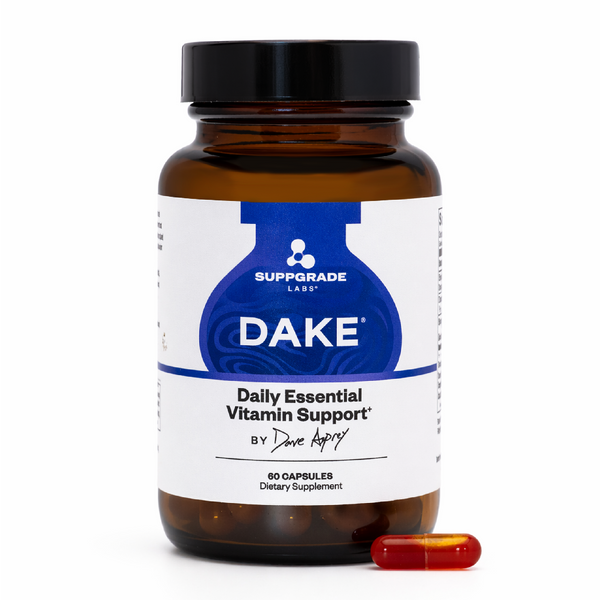
DAKE® brings all four into one precise blend. No megadoses. No confusion. Just nutrients delivered in forms your body recognizes.
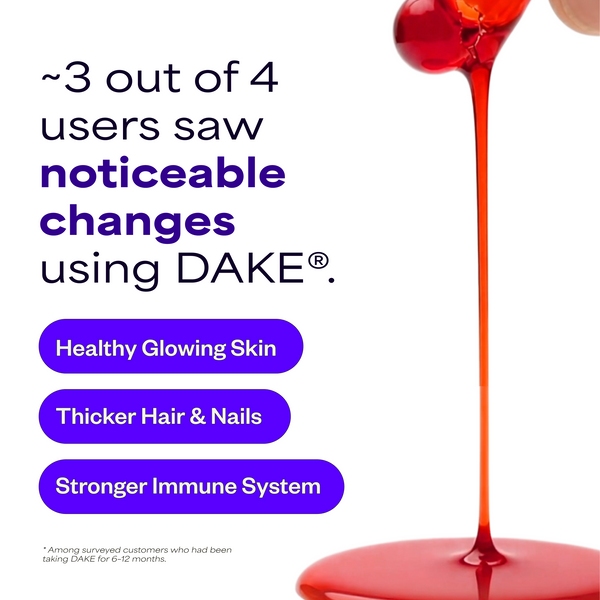
When you choose DAKE®, you support:
- Calcium placement in bones, not arteries
- Arterial and immune health
- Skin, hormone, and vision support
- Inflammation balance and cellular repair
Some choose standalone D3. Others think bigger. DAKE® supports the full system.
As always, review any supplement plan with your clinician as part of a broader strategy to build a solid supplement routine.
Magnesium and Essential Minerals for a Healthy Heart
 Magnesium and other essential minerals for a healthy heart support normal muscle function, nerve signaling, and heart rhythm, which helps explain why trace minerals matter for heart health in the first place.
Many adults fall short on magnesium and key minerals through diet alone, a pattern that reflects the growing mineral crisis seen across modern eating habits.
There is no universal answer to the best supplements for heart health, which is why heart health supplements should always be considered in context.
Daily Heart Health Checklist
Use this checklist as a daily reminder or to prepare questions to ask your doctor about heart health.
-
Move your body most days with at least one activity that raises your heart rate.
-
Build meals around plants, fiber, and quality protein.
-
Limit sodium and ultra-processed foods that work against heart health.
-
Protect your sleep and include one daily stress-relief habit.
-
Know your blood pressure, cholesterol, blood sugar, and family history.
-
Ask about testing nutrients like vitamin D and magnesium if you suspect gaps.
-
If supplements make sense, look for thoughtful combinations of essential vitamins and minerals, like thoughtful combinations of essential vitamins and minerals.
A regular heart health checkup helps track changes over time and keeps decisions grounded in real data.
Keeping Your Heart Healthy All Year and Beyond
American Heart Month is just a reminder. What really matters is what you repeat daily, not what you do once a year.
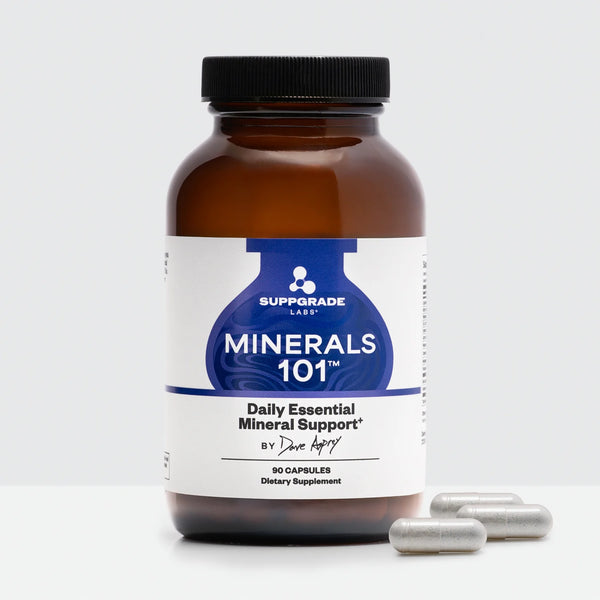
DAKE® and Minerals 101® deliver the essential nutrients your heart depends on daily. They support calcium balance, rhythm, and energy where it matters most. When paired with consistent habits, they form a powerful foundation for long-term cardiovascular strength and resilience.
Use this month to check in. Start with one upgrade you can stick to. Revisit it regularly. A stronger heart is built by what you do most, not by what you do once.
FAQs: Heart Health and Supplements
Do I Need Supplements for Heart Health or Can Food Be Enough?
Food is the foundation of heart health, but supplements can help fill nutrient gaps for some people. A heart healthy diet rich in plants, fiber, quality protein, and healthy fats supports many of the systems that protect cardiovascular function. However, factors like dietary patterns, absorption issues, stress, or age can make it harder to meet certain nutrient needs through food alone.
In those cases, supplements can act as supportive tools. They work best when guided by lab data and reviewed with a clinician, not used as a replacement for lifestyle habits.
What Are the Nutrients Do I Need for Heart Health?
Vitamin D, vitamin K2, magnesium, and essential minerals are among the most commonly discussed nutrients for heart health. Vitamin D often comes up in cardiovascular conversations and is frequently paired with K2 to support healthy calcium balance. Magnesium and key minerals are reviewed due to their roles in muscle function, blood pressure regulation, and normal heart rhythm.
These nutrients support the same systems clinicians already monitor, which is why testing and professional guidance are important.
What Are Some Simple Biohacks for Better Heart Health?
Simple daily habits are the most effective biohacks for long-term heart health.
Consistent walking, regular sleep timing, stress management practices, and improving nutrient density at meals all support cardiovascular systems in meaningful ways.
These upgrades work because they reduce daily strain on the heart over time. They are not about instant results, but about building resilience through consistency.