


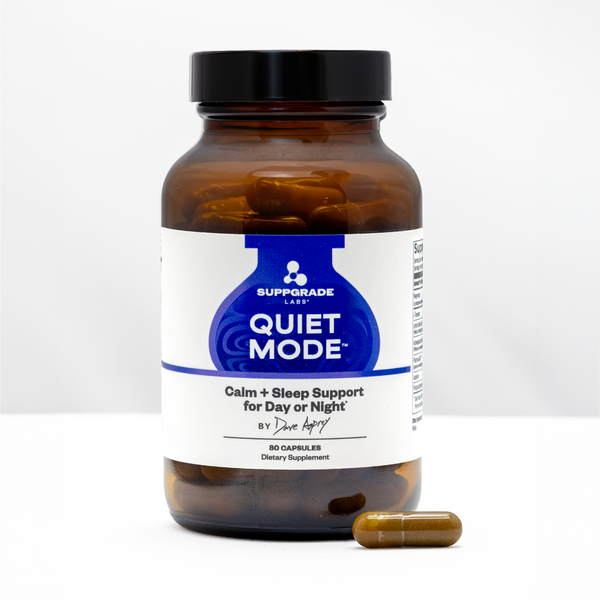

You read every ingredient label. Did you ever read the bottle itself?
Every supplement you take has been sitting inside a container for weeks, sometimes months, before it reaches you. The ingredients get scrutinized. The sourcing gets questioned. The third-party testing gets reviewed. The bottle? Almost never.
This is Plastic Free July. The right moment to have a conversation most of the supplement industry would rather avoid.
What is Plastic Free July?
Plastic Free July is a global movement encouraging individuals, businesses, and organizations to reduce single-use plastic consumption during July and beyond. Started in 2011 in Australia, it has grown into one of the world's largest sustainability movements, with millions of participants across 190 countries.
For Suppgrade Labs, Plastic Free July describes how the brand operates year-round. July is a meaningful moment to explain why, and what it means for the quality of what you are putting in your body.
The problem with plastic supplement bottles
Plastic reacts under heat and light, two things supplements are exposed to constantly during shipping and storage. Plastic can degrade and it can release compounds including microplastics and chemicals like BPAs directly into whatever is inside the container.
The supplement you carefully chose for its clean ingredients, third-party tested formulation, and bioavailable nutrient forms has been sitting inside a container that may be introducing compounds you never consented to. Quietly, invisibly, the entire time it was in transit.
What are microplastics and why do they matter?
Microplastics are tiny plastic particles, less than 5mm in size, that result from the breakdown of larger plastic materials. Research into their effects on human health is ongoing and growing. Studies have found microplastics in human blood, lung tissue, and digestive systems. The long-term implications of chronic microplastic exposure are an active area of scientific investigation.
The concern with supplement packaging specifically is the combination of factors: plastic in close contact with supplements over extended periods, in conditions that accelerate material degradation. The risk is cumulative and invisible, which is exactly the kind of exposure that tends to get overlooked until it doesn't.
Why Suppgrade Labs chose glass
Glass is chemically inert. It doesn't react. It doesn't leach. What's inside stays exactly as it was formulated. Nothing added. Nothing altered.
Glass costs more. It weighs more. It's harder to ship. It raises the cost of getting every bottle to every customer.
Suppgrade Labs chose it anyway because purity has to go all the way to the bottle. Every choice in how a product is built reflects what a brand actually believes about the people buying it.
Transparency is a Suppgrade Labs brand value. Integrity is a Suppgrade Labs brand value. Integrity isn't a marketing campaign. It's every decision, including the ones nobody sees. Right down to what holds your supplements.
Glass vs. plastic for supplement storage
- Chemical inertness: glass does not react with the contents it holds, regardless of temperature fluctuations, light exposure, or storage duration
- No leaching: glass does not release compounds into the contents it holds
- Stability over time: glass maintains its structural integrity throughout the product's shelf life without degradation
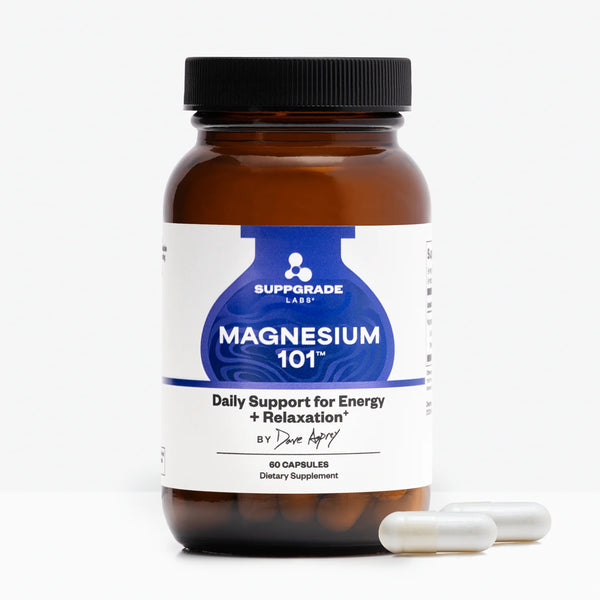
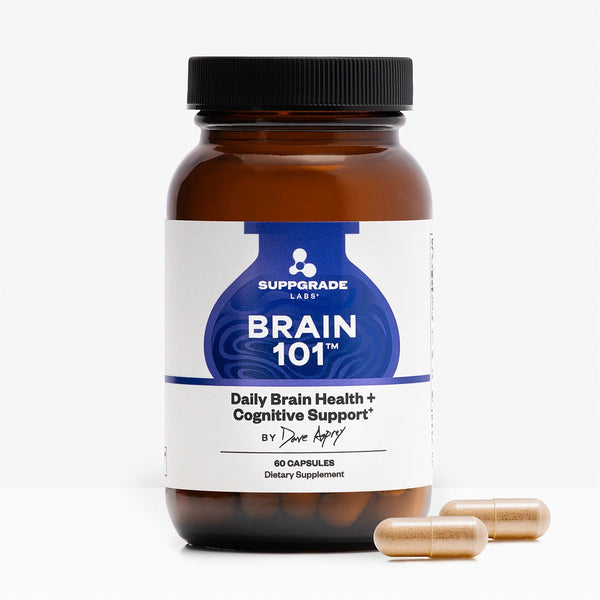
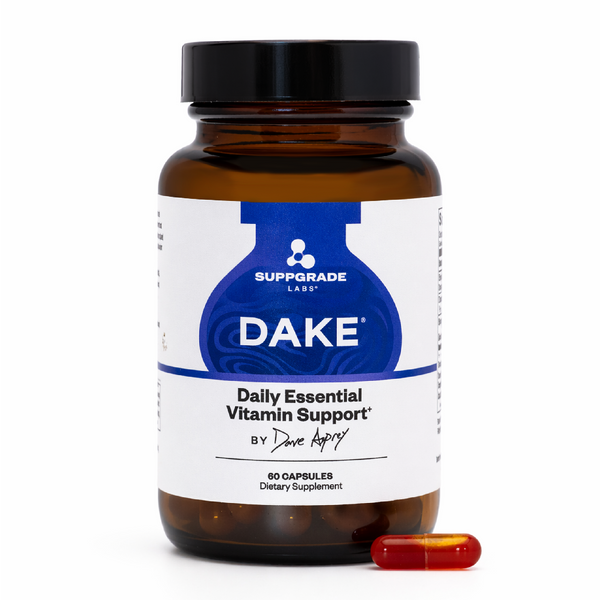
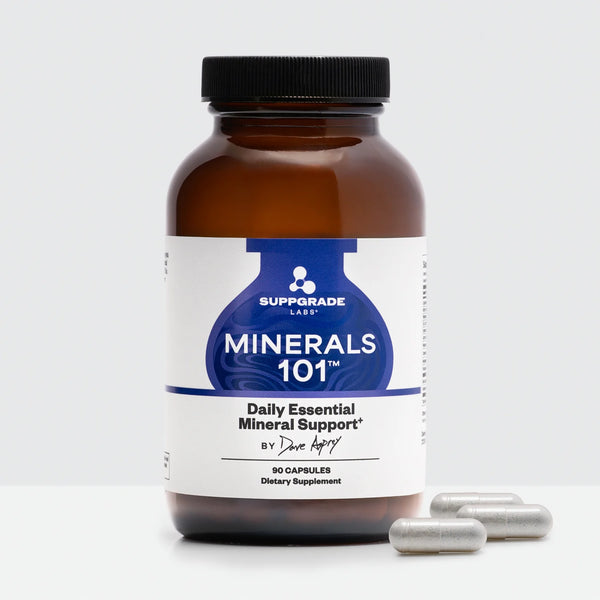
- Light protection: amber glass, the type Suppgrade Labs uses, filters UV light, providing an additional layer of protection for light-sensitive nutrients
- Recyclability: glass is infinitely recyclable without loss of quality
Plastic is subject to degradation from heat, UV exposure, and mechanical stress. Certain plastics commonly used in supplement packaging can leach compounds under these conditions. BPA-free labeling addresses one specific chemical concern but does not eliminate the broader category of plastic degradation risk.
What this means for you
This is Plastic Free July but honestly, this is just how Suppgrade Labs thinks year-round.
Choosing Suppgrade Labs means choosing supplements stored in amber glass bottles. Chemically inert, UV-filtering, and designed to protect the integrity of what's inside from the moment it's formulated to the moment you open it.
You deserve supplements that work. And you deserve a bottle that doesn't undo them.
Frequently Asked Questions
Do plastic supplement bottles leach chemicals?
Plastic can degrade under heat and light exposure, conditions supplements experience during shipping and storage, and release compounds including microplastics and chemicals like BPAs into the contents. The risk varies by plastic type, temperature, duration, and light exposure. Glass does not leach. Suppgrade Labs uses amber glass bottles because glass is chemically inert and does not react with or alter the supplements inside.
Are microplastics in supplements a real concern?
Research into microplastics and human health is ongoing. Studies have found microplastics in human blood, lung tissue, and digestive systems. The specific risk from supplement packaging is cumulative and long-term rather than acute. Choosing supplements stored in glass eliminates one potential source of microplastic exposure entirely.
Why do some supplement brands use glass bottles?
Glass is chemically inert. It does not react with contents, does not leach compounds, and maintains its structural integrity regardless of temperature and light exposure. Amber glass additionally filters UV light, protecting light-sensitive nutrients. The primary reason brands choose plastic is cost and shipping logistics. Glass is heavier, more expensive, and more fragile to ship.
What is Plastic Free July?
Plastic Free July is a global movement encouraging reduced single-use plastic consumption, started in 2011 in Australia and now active in over 190 countries. For Suppgrade Labs, it's an opportunity to explain the year-round commitment to glass packaging and supplement purity.
Is glass better than plastic for supplement storage?
From a purity and stability standpoint, yes. Glass is chemically inert, does not leach, does not react with contents, and maintains integrity over the product's shelf life. Amber glass also provides UV protection. The tradeoff is cost and shipping complexity. Suppgrade Labs chose glass because purity goes all the way to the bottle.
What are BPAs and why do they matter?
BPA (bisphenol A) is a chemical used in certain plastics that has been associated with endocrine disruption concerns. BPA-free labeling addresses one specific chemical while not eliminating the broader category of plastic degradation and leaching risk. Glass packaging avoids this category of concern entirely.