


Two people can eat the same diet, train the same way, and live next door to each other, and still get completely different results. The reason usually isn't diet or exercise. It's stress.
What Is Visceral Fat?
There are two main types of body fat. Subcutaneous fat is the kind people typically worry about. Its the fat you can pinch, sitting just under your skin. Visceral fat is different. It wraps around your internal organs, deep in your abdomen, and you can't see it or grab it, even if you're otherwise lean. That's what makes it easy to overlook. It's also more metabolically active than subcutaneous fat, playing a bigger role in blood sugar, inflammation, and hormone regulation, which is why it gets so much attention in longevity and metabolic health conversations.
Every Method That Helps, In Order
Dave Asprey's latest video breaks down the full list of strategies that support visceral fat reduction, ranked from least to most effective.
-
Eat more protein. Your body doesn't treat every calorie the same way. Digesting food costs energy, and some foods cost far more than others. Protein is the most expensive to break down, using up roughly a quarter to a third of the calories it provides just in digestion. Carbs cost much less to process, and fat costs almost nothing. That gap means a protein-heavy meal does some of the calorie-burning work on its own. The forms your body uses best come from animal sources: eggs, quality meat, seafood, and full-fat dairy from grass-fed cows. Plant proteins can work too, but you'd need to eat far more volume to get the same usable amount, which isn't realistic for most people.
-
Cut sugar and processed carbs. When you eat sugar, your liver processes it and converts the excess into visceral fat. That doesn't mean a little sugar occasionally causes a problem, it means having it constantly does. Every sugar spike also spikes insulin, and every insulin spike sends a signal to store fat and stop burning it. Do that repeatedly throughout the day, and you're reinforcing visceral fat storage without realizing it. Swapping in slow-digesting vegetables and some fruit keeps insulin steadier and still gives your body the fuel it needs.
-
Do high-intensity interval training. Long, steady cardio isn't where the real fat-loss signal comes from. Short bursts of intense effort trigger a different hormonal response, one that keeps your metabolism elevated for hours after the workout ends. This effect has a name in exercise science: excess post-exercise oxygen consumption, essentially your body playing catch-up on oxygen debt long after you've stopped moving. HIIT also drives a real spike in growth hormone and catecholamines, hormones that pull fat out of storage to use as fuel, visceral fat included. The time investment is small. A few 10 to 20 minute sessions a week is enough to see change within weeks.
-
Use cold exposure. Your body has two types of fat: white fat, which stores energy, and brown fat, which burns energy to generate heat. Cold exposure activates brown fat and forces your body to burn fuel to keep your core temperature stable, and that fuel includes visceral fat. The effect is dose-dependent, meaning more consistent exposure produces better results over time. A cold shower, a cold plunge, or even sleeping in a cooler room is enough to get the process started.
-
Add resistance training. Lifting weights does more than build muscle. It rebuilds the metabolic machinery that burns fat automatically, since muscle itself is one of the most metabolically valuable tissues in the body. When you lift, you create microscopic damage in your muscle fibers, and repairing that damage costs energy, ideally pulled from fat stores. Heavier, more demanding movements like squats and deadlifts also trigger a bigger release of testosterone and growth hormone, both of which signal your body to break down visceral fat specifically. You don't need to overtrain to see this work. Three sessions a week is more than enough for measurable results in 8 to 12 weeks, and some people see results with just one.
-
Get good sleep every night. Deep sleep is when your body releases growth hormone, one of its most useful tools for accessing stored fat. One bad night can cut that release by roughly 70 percent.
-
Take magnesium bisglycinate before bed if sleep is a struggle. 300 to 400 mg supports deep sleep quality and the growth hormone release tied to it.
-
Reduce daily stress. Chronic stress keeps cortisol elevated, and cortisol specifically signals your body to store fat around your organs. It's the one factor running in the background of nearly everything else on this list.
How the Stress-Cortisol-Sleep Loop Works
Chronic stress keeps cortisol elevated. Your body doesn't distinguish between a real threat and a stressful afternoon. Either way, it responds the same way: it stores fat around your organs as an emergency reserve.
Poor sleep feeds the same loop. A bad night raises cortisol and reduces growth hormone release, the hormone your body relies on to access stored fat overnight. String together enough disrupted nights, and cortisol stays elevated even when nothing else in your day has changed.
Stress raises cortisol. Cortisol disrupts sleep. Poor sleep raises cortisol again. That loop is a big part of why diet and training alone often aren't enough.
Why Magnesium Matters Here
Magnesium is involved in hundreds of biochemical processes in the body, including muscle relaxation, nervous system function, and energy metabolism. Stress and poor sleep both burn through magnesium faster than most diets replace it, making it one of the more common gaps hiding behind sleep struggles.
Not all magnesium forms are equal. Magnesium bisglycinate is chelated, meaning it's bound in a form built for absorption, without the digestive upset some other magnesium forms cause.
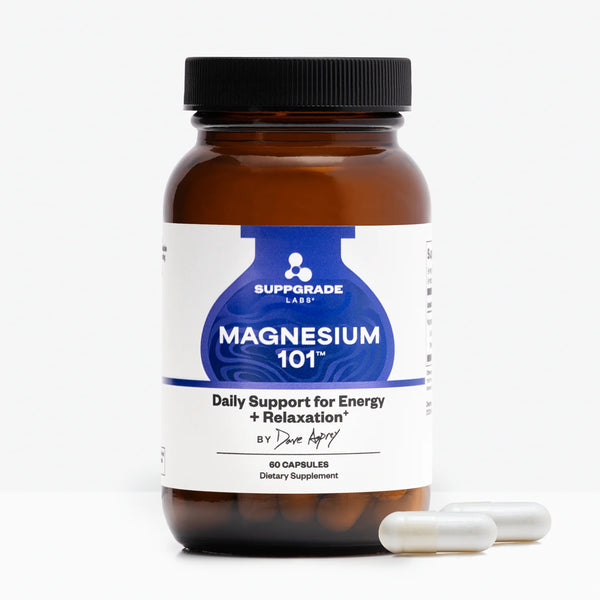
Magnesium 101 provides 300 mg of magnesium bisglycinate chelate per two-capsule serving, the same form and dose referenced in Dave's video.
How to Support Healthy Cortisol and Sleep
- Keep a consistent sleep and wake time, even on weekends
- Build in a daily practice that lowers stress, even 10 minutes of quiet breathing counts
- Support your magnesium status with a chelated, bioavailable form
Frequently Asked Questions
What causes visceral fat?
Visceral fat is influenced by diet quality, activity level, poor sleep, and chronic stress. Elevated cortisol from ongoing stress signals the body to store fat around the organs as an energy reserve.
How does cortisol affect visceral fat?
Cortisol tells the body to store fat around the organs when it stays chronically elevated. This response comes from the body's stress system, which doesn't distinguish between a genuine physical threat and everyday stressors like a busy schedule or poor sleep.
Does poor sleep increase cortisol?
Yes. A single night of poor sleep raises cortisol and reduces the release of growth hormone, which plays a role in how the body uses stored fat overnight. Repeated poor sleep compounds the effect.
What is the recommended dose of magnesium bisglycinate for sleep?
A common range is 300 to 400 mg of magnesium bisglycinate before bed. This chelated form is designed for better absorption and is less likely to cause digestive discomfort than other magnesium forms.
Getting the fundamentals right matters more than chasing the next complicated biohack. Watch Dave's full breakdown, then start with Magnesium 101.
