





Quick answer: Daylight saving time ends on Sunday, November 1, 2026, at 2:00am. Clocks in most of the US fall back one hour. Shorter days mean less sunlight, more time indoors and a shift in your daily rhythm. A steady routine and support for vitamin D, essential minerals and evening calm help you stay ahead of the change.
When Does Daylight Saving Time End in 2026?
Daylight saving time ends on the first Sunday in November. In 2026, that's November 1. At 2:00am, clocks move back to 1:00am. Hawaii and most of Arizona stay on standard time all year.
You get an extra hour of sleep that first night. After that, your body spends a few days catching up to the new schedule.
What Does the Time Change Do to Your Body?
It's 5:15pm and pitch black. Your body thinks that means bedtime.
Light is your body's main clock signal. Morning light tells your brain to wake up. Darkness tells it to release melatonin, your body's own sleep hormone. When the sun sets an hour earlier, those signals come early too.
You might notice:
-
Lower energy in the late afternoon
-
A sleep schedule that feels out of sync
-
More time indoors and less time in the sun
-
A nervous system that could use more calm, just as the holiday season gets busy
The American Academy of Sleep Medicine cites circadian disruption as a key concern with seasonal clock changes. Your rhythm adjusts. You can help it along.
Why Does Vitamin D Matter More in Fall and Winter?
Your skin makes vitamin D when UVB light from the sun hits it. Fewer daylight hours and more time indoors mean fewer chances for that to happen.
Where you live matters too. A classic study from Boston University found that at Boston's latitude, the winter sun sits too low for the skin to make vitamin D from about November through February.
"One thing I pay more attention to this time of year is vitamin D. Fewer daylight hours mean fewer chances for your body to make it. That's one reason I take DAKE® every day." - Dave Asprey, creator of Suppgrade Labs
Vitamin D supports calcium absorption, bone strength and a healthy immune response. It matters in November just as much as it does in July.
How Do You Support Your Immune System as the Days Get Shorter?
Hot tea is lovely. Your immune system also likes backup.
Colder months are ahead, so keep up with the nutrients that support a healthy immune response. DAKE® provides vitamin D3 as cholecalciferol, the same form your skin makes from sunlight, at 5,000 IU. DAKE also contains:
-
Vitamins K1 and K2 to support bone health and calcium metabolism
-
Vitamin E as DeltaGold® tocotrienols for antioxidant support
-
Vitamin A to support healthy skin, scalp and nails
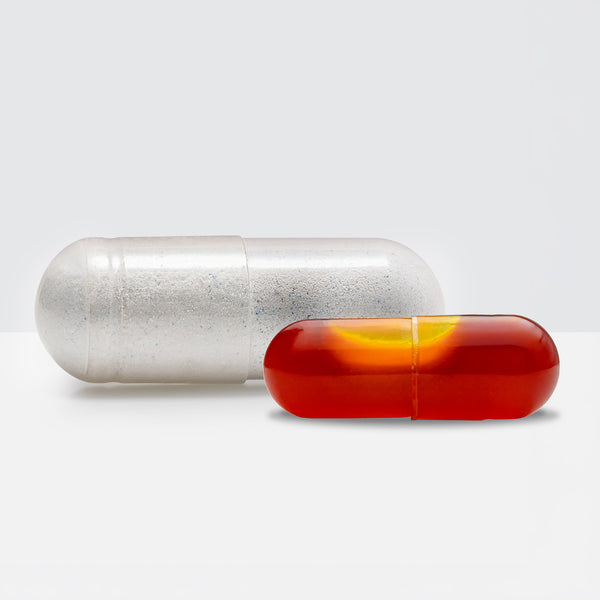
All four come in one liquid capsule, suspended in MCT oil, a fat that helps carry these fat-soluble vitamins to your cells.
How Do You Support Energy When It Gets Dark at 5pm?
Less daylight and more time indoors both affect how you feel by late afternoon. Keep the nutrients your body uses for energy covered.
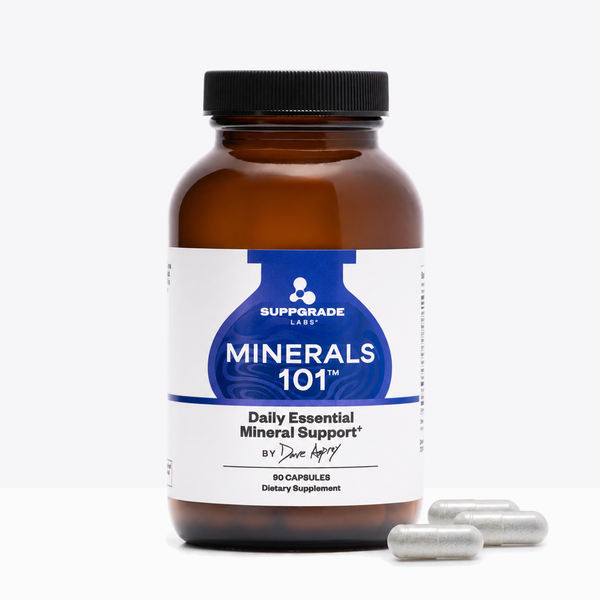
Minerals 101® provides essential minerals, chelated for absorption, that support energy metabolism, muscle function and nervous system function. It has a 1:1 ratio of calcium to magnesium and contains no iron.
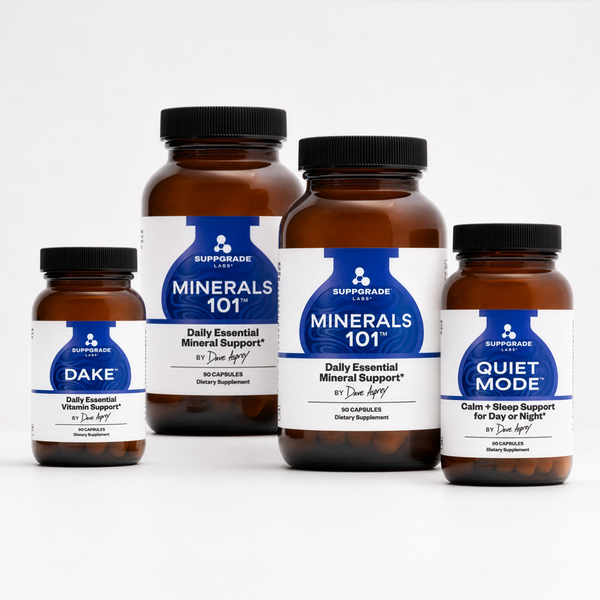
DAKE and Minerals 101 work as a team. DAKE's fat-soluble vitamins help direct minerals into the bones, cells and tissues where they belong, and Minerals 101 supplies those minerals.
How Can You Make Longer Nights Work for You?
Dark at 5pm has its upside: longer evenings and more time to recover.
"I want to feel rested and recovered this season. I just want a little help getting there."
Quiet Mode is a non-melatonin calm and sleep formula. Its 7 clinically studied ingredients work across 5 biological pathways with 0 melatonin, so you get no melatonin hangover. One formula, two ways to use it:
-
2 capsules during the day for calm when you need it
-
4 capsules in the evening, 30 to 60 minutes before bed, for nighttime sleep support
The sun sets. Your day doesn't have to.
Your Fall Back Checklist
-
Get morning light. Step outside within an hour of waking to anchor your daily rhythm.
-
Keep your wake time steady. A consistent wake time helps your body adjust faster.
-
Shift bedtime slowly. Move it 15 minutes a night in the days around November 1.
-
Dim the lights after sunset. Lower, warmer light in the evening matches what your body expects.
-
Cover your vitamin D. With less sun, DAKE helps fill the gap.
-
Keep minerals in your routine. Minerals 101 supports energy metabolism all season.
-
Protect your evenings. Quiet Mode supports calm by day and sleep at night.
Your Seasonal Stack at a Glance
|
Product |
When to take it |
What it supports |
|
DAKE® |
Daily |
Immune function, bone health and antioxidant protection |
|
Minerals 101® |
Daily |
Energy metabolism, muscle function and nervous system function |
|
Quiet Mode |
2 caps by day, 4 caps before bed |
Daytime calm and nighttime sleep support |
Key Takeaways
-
Daylight saving time ends Sunday, November 1, 2026, at 2:00am.
-
Earlier sunsets shift your body's light signals and daily rhythm.
-
Less sunlight means fewer chances for your skin to make vitamin D.
-
DAKE and Minerals 101 support energy, immune function and bone health through the darker months.
-
Quiet Mode supports calm during the day and restful sleep at night, with no melatonin.
Daylight Saving Time FAQ
When does daylight saving time end in 2026?
Daylight saving time ends on Sunday, November 1, 2026, at 2:00am local time. Clocks move back one hour.
Why do I feel tired after the clocks fall back?
Earlier darkness signals your brain to start winding down sooner. Your daily rhythm takes a few days to match the new schedule.
How long does it take to adjust to the time change?
Most adults adjust within a few days to a week. Morning light, a steady wake time and a calm evening routine all help.
Do you get less vitamin D in winter?
Usually, yes. Shorter days, a lower sun angle and more time indoors all mean fewer chances for your skin to make vitamin D.
What supplements help with the time change?
Vitamin D supports immune function as sunlight drops, essential minerals support energy metabolism, and non-melatonin calm support helps your evening routine. DAKE, Minerals 101 and Quiet Mode cover all three.
Can you take Quiet Mode during the day?
Yes. Take 2 capsules during the day for calm, or 4 capsules 30 to 60 minutes before bed for sleep support.
Stay Ahead of the Shift
The 5pm sunset is here to stay for a while. Support your body before the seasonal shift catches up, and make your evenings good ones.
⁺These statements have not been evaluated by the Food and Drug Administration. These products are not intended to diagnose, treat, cure, or prevent any disease.
Sources: Webb AR, Kline L, Holick MF. J Clin Endocrinol Metab. 1988;67(2):373-378. Rishi MA, et al. "Daylight saving time: an American Academy of Sleep Medicine position statement." J Clin Sleep Med. 2020;16(10):1781-1784.